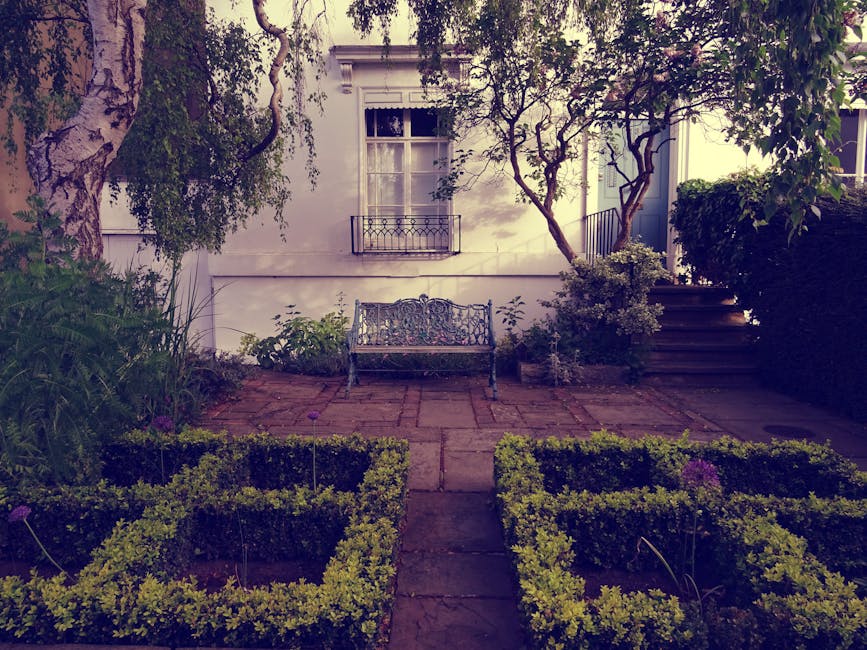
Best gardeners near Belmont Village for small courtyard gardens
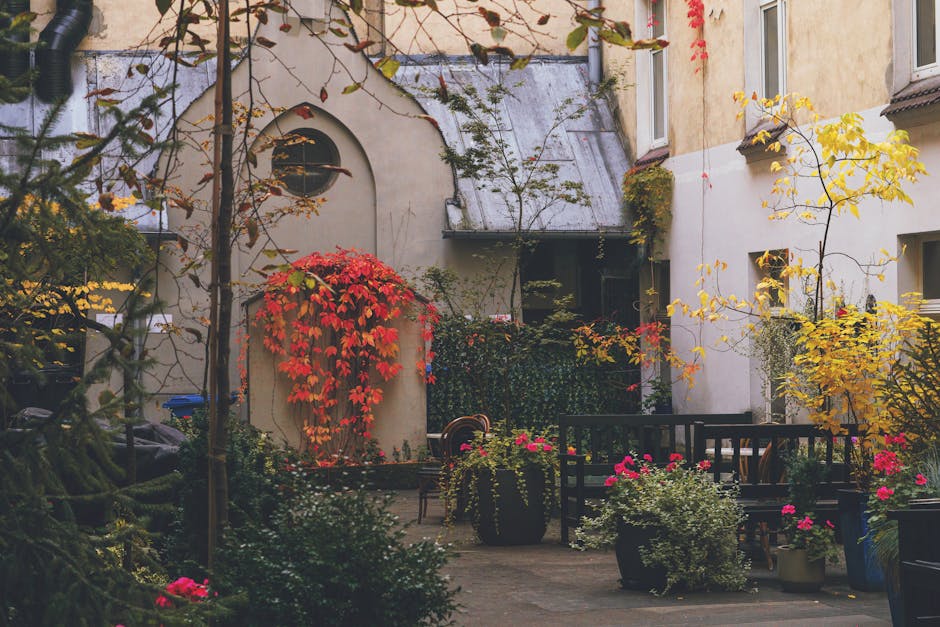
If you live near Belmont Village and your outdoor space is more courtyard than lawn, you already know the challenge: every metre has to earn its keep. The best gardeners near Belmont Village for small courtyard gardens are the ones who understand that a compact space needs careful planting, good structure, and a light touch. Not overstuffed. Not fussy. Just well thought through.
That matters because small courtyards can look amazing with the right design, but they can also feel cramped, shaded, or oddly bare if the work is rushed. A skilled local gardener knows how to make a narrow patch feel calm, balanced, and genuinely usable. In this guide, you'll find what to look for, how the process works, what good results actually look like, and how to avoid the usual mistakes. Truth be told, a tiny courtyard can be one of the most rewarding gardens to get right.
Whether you want low-maintenance planting, better year-round colour, improved privacy, or just a tidy space that feels like an outdoor room, this article will help you choose with confidence. And if you are comparing local services, it can also help to browse related pages such as garden maintenance, landscaping services, and garden design for a clearer sense of what different teams do.
Table of Contents
- Why Best gardeners near Belmont Village for small courtyard gardens Matters
- How Best gardeners near Belmont Village for small courtyard gardens Works
- Key Benefits and Practical Advantages
- Who This Is For and When It Makes Sense
- Step-by-Step Guidance
- Expert Tips for Better Results
- Common Mistakes to Avoid
- Tools, Resources and Recommendations
- Law, Compliance, Standards, or Best Practice
- Options, Methods, or Comparison Table
- Case Study or Real-World Example
- Practical Checklist
- Conclusion
- Frequently Asked Questions
Why Best gardeners near Belmont Village for small courtyard gardens Matters
Small courtyard gardens are a different job from larger suburban plots. They are often enclosed by walls, fences, neighbouring buildings, or narrow access points, which means light, drainage, and layout all matter more than people expect. One wrong choice can make the whole space feel awkward. A smart one can make it feel twice as big.
The best gardeners near Belmont Village for small courtyard gardens tend to understand three things very quickly: scale, atmosphere, and maintenance. Scale means choosing plants and features that do not overpower the area. Atmosphere means creating a space you actually want to sit in, rather than just look at. Maintenance means making sure the garden remains manageable through wet weeks, dry spells, and the general reality of UK weather doing its own thing.
Let's face it, a courtyard that looks lovely in April but becomes cluttered by June is not a real solution. You need a gardener who can think seasonally, understand the quirks of smaller urban or semi-urban spaces, and work with what is already there instead of bulldozing everything into a blank slate.
This is also where local knowledge helps. A gardener familiar with Belmont Village and nearby streets is more likely to recognise common issues such as limited sun, container gardening needs, narrow side access, or the need for subtle screening rather than high-maintenance hedging. That local awareness can save time and money, and it often leads to a better end result.
If you want a broader service overview alongside this topic, pages like planting design and seasonal garden care can be useful companions to this guide.
How Best gardeners near Belmont Village for small courtyard gardens Works
In practice, the process usually begins with a site visit or a clear brief. A good gardener will look at the courtyard's size, sunlight, soil condition, drainage, access, and how you want to use the space. Is it for coffee in the morning? A bit of privacy? Pots and herbs? A family-friendly patch that can take some wear? Those answers shape everything.
After that, the gardener may suggest a maintenance plan, a refresh of the planting scheme, or a full redesign depending on what the courtyard needs. For very small spaces, the best work often comes from restraint. Fewer plant varieties. Cleaner lines. Better pot placement. More considered hard landscaping. A tiny garden does not need more stuff. It needs the right stuff.
There is also a practical side that people sometimes overlook. Courtyards can be awkward to work in. Materials may need carrying through the house. Soil, compost, and tools need to be managed carefully. Good gardeners plan for the physical constraints before they start, which helps avoid damage and keeps disruption down. Small detail, big difference.
In a well-run project, you should expect clear communication about:
- what can be improved immediately
- what may need phased work over time
- which plants suit shade, partial shade, or full sun
- how much watering and pruning will be required
- whether containers, raised beds, trellis, or paving need attention
If you are also considering wider outdoor improvements, the page on hard landscaping is useful for understanding how paving, edging, and built elements support the planting scheme.
Key Benefits and Practical Advantages
The main benefit of hiring the right gardener for a small courtyard is not just a prettier space. It is a space that works. That distinction matters more than people realise.
Here are the biggest advantages you are likely to notice:
- Better use of limited space: A good layout can make a cramped courtyard feel open and balanced.
- More coherent planting: Plants that suit the light and soil are easier to keep healthy.
- Lower long-term maintenance: The right design reduces constant trimming, replacing, and rescue jobs.
- Improved privacy: Even a modest screen of climbers, trellis, or tall containers can soften overlooked spaces.
- Year-round appeal: Structural plants and evergreen elements keep the garden looking intentional in winter.
- Better drainage and cleanliness: Courtyards often collect water or debris in awkward corners; good design helps.
There is also a psychological benefit. A tidy, thoughtful courtyard can change how you use the home. You step outside with a mug of tea and, instead of seeing a forgotten patch, you get a sense of calm. Sounds a bit simple, maybe, but that is often what people are really paying for.
For ongoing care after the initial work, it may help to look at lawn care if your courtyard includes any turf or grass edging, and hedge trimming if screening plants need regular shaping.
Who This Is For and When It Makes Sense
This kind of service is a strong fit if your courtyard is underused, overgrown, or just not quite right. A lot of people live with small outdoor spaces for years because they assume there is not enough room to do much. Usually that is not true. Usually the space simply needs a better plan.
You may want a gardener if you are:
- moving into a property with a tired or neglected courtyard
- struggling to keep containers alive through the seasons
- dealing with shade, dampness, or poor drainage
- wanting a low-maintenance garden that still feels alive
- preparing to sell and wanting the outdoor area to look cared for
- looking for a compact entertaining space with seating and planting
It also makes sense if you are simply fed up with doing DIY jobs that never quite finish. Perhaps you have moved a pot three times, bought a few perennials, and still feel the space looks a bit accidental. That is a very normal stage. A professional gardener can help turn those fragments into a proper scheme.
If your project leans more toward a full refresh than routine care, the page on garden clearance can be a helpful starting point before any detailed planting work begins.
Step-by-Step Guidance
If you are trying to choose the right gardener, or simply want to understand what good work looks like, this step-by-step approach keeps things grounded.
- Assess the courtyard honestly. Look at light, shelter, access, drainage, and how much time you want to spend maintaining it.
- Define the purpose. Decide whether the main goal is privacy, colour, seating, low maintenance, or a mix of these.
- Choose the right type of help. Some jobs need ongoing maintenance, while others need design-led work or planting refreshes.
- Ask for local examples. A good gardener should be able to explain how they have handled similar small spaces.
- Review the planting logic. The plants should suit the conditions, not the other way around.
- Think about access and disruption. Courtyards can be tricky to work in, so logistics matter more than you might expect.
- Plan for the second season, not just day one. A garden should still look good after the first flush of growth.
A useful rule of thumb: if the proposed solution seems to require constant pruning, daily watering, or special treatment, it may be too high-maintenance for a compact courtyard. That is where some projects quietly go off the rails.
Ask simple, direct questions. What plants will survive the amount of shade? How often will they need attention? What happens in winter? What can be reused? You are not being difficult. You are being sensible.
Expert Tips for Better Results
Here is where small decisions make a big difference. In a courtyard, the details are the design.
1. Use fewer plant types, but use them well. Too many different species can make a tiny space feel noisy. A tighter palette often looks more elegant and calmer.
2. Repeat shapes and materials. Matching pots, repeated edging, or a consistent paving tone can make the garden feel larger. It is a simple trick, but it works.
3. Go vertical where appropriate. Climbers, trellis panels, wall planters, and slender trees can add height without stealing floor space. Just make sure the support structure is secure.
4. Think about wet weather. Belmont Village gardens, like many UK courtyards, can go from damp to very damp quickly. Drainage and surface choice matter a lot. Slippery paving is no one's favourite surprise on a grey morning.
5. Leave breathing room. A courtyard does not need every corner filled. A bit of negative space gives plants and furniture room to breathe. Oddly enough, empty space can make a small garden feel more expensive.
6. Make maintenance realistic. If you do not enjoy regular pruning, choose slower-growing shrubs, evergreens, and robust containers rather than high-churn planting.
7. Ask for a seasonal plan. The best gardeners think beyond planting day. Spring, summer, autumn, and winter all have different demands. You want a garden that still feels intentional when the roses are resting.
A gentle aside: if a plan sounds beautiful but no one can explain how it will be looked after in six months, proceed carefully.
Common Mistakes to Avoid
Small courtyard gardens are forgiving in some ways and brutally honest in others. There is nowhere for poor choices to hide.
- Overcrowding the space: Too much planting or too many furniture pieces can make the garden feel smaller.
- Ignoring shade levels: Many courtyards get less light than people assume, especially in the morning or late afternoon.
- Choosing thirsty plants for a dry spot: Containers in sunny courtyards can dry out quickly. It becomes a watering chore, fast.
- Forgetting drainage: Water pooling around paving or pots can damage both plants and surfaces.
- Using cheap materials that do not age well: In small spaces, poor-quality finishes stand out immediately.
- Not planning access: Heavy materials can be awkward to move through narrow passages or indoors.
- Picking plants for looks alone: A beautiful plant that hates the site is not a win.
One of the most common errors is trying to create a "big garden" effect in a tiny space. It usually ends up cluttered. Better to aim for atmosphere, texture, and comfort. That is the real trick.
Another mistake is skipping the maintenance conversation. If you know you will not prune often, say so. A good gardener would rather design for reality than pretend you are going to be out there every fortnight with shears in hand.
Tools, Resources and Recommendations
Good gardeners rely on more than intuition. They use the right tools, good materials, and a practical understanding of the site. For a small courtyard, the most useful resources are often the simplest ones.
| Need | Useful tool or resource | Why it helps in a small courtyard |
|---|---|---|
| Planting plan | Site notes, photos, and a sketch layout | Helps avoid overcrowding and keeps the design realistic |
| Drainage check | Basic inspection of runoff and surface levels | Reduces waterlogging and standing water |
| Plant selection | Shade and drought-tolerant varieties | Improves survival and cuts maintenance |
| Privacy | Trellis, climbers, screening pots | Adds seclusion without taking too much room |
| Routine care | Clean secateurs, watering can, lightweight gloves | Makes ongoing upkeep easier and less annoying, frankly |
For homeowners who like to understand the broader service picture, tree surgery may be relevant if overhanging branches are reducing light, while fencing services can be useful where privacy or boundaries need improvement.
If you are comparing ongoing support, it is worth asking whether the gardener offers seasonal visits, planting refreshes, or one-off tidy-ups. Some courtyards only need a quarterly check-in. Others need a more hands-on rhythm through spring and summer. It depends, naturally, on how lush you want it to look.
Law, Compliance, Standards, or Best Practice
For most courtyard garden work, the main issues are less about formal regulation and more about good practice. That said, a professional gardener should still work responsibly and carefully around property boundaries, access routes, waste removal, and any shared or communal areas.
In the UK, it is sensible to expect the following:
- Respect for neighbouring property: Care should be taken when working near walls, fences, or shared access paths.
- Responsible waste handling: Green waste should be removed or disposed of properly, not left in a corner for weeks.
- Safe use of tools and materials: Tools, chemicals, and heavy items should be managed with care.
- Clear agreement on scope: You should know what is included before work starts.
- Attention to surfaces and water flow: Work should not create avoidable drainage issues.
If a project affects shared access, structures, or boundary treatments, it is wise to clarify responsibilities early. That is not being awkward. It is simply good housekeeping.
For certain jobs, especially where trees or protected features are involved, more specific rules may apply. A careful gardener will flag this rather than guess. That kind of honesty is worth a lot.
Options, Methods, or Comparison Table
Not every courtyard needs a full redesign. Sometimes the best approach is simply the one that fits your space, budget, and how you live. Here is a practical comparison of common options.
| Approach | Best for | Pros | Considerations |
|---|---|---|---|
| Regular maintenance only | Courtyards that are already functional | Lower disruption, keeps things neat | May not solve layout or planting problems |
| Planting refresh | Spaces that feel tired or empty | Quick visual improvement, manageable cost | Still depends on soil, light, and container care |
| Partial redesign | Courtyards with a few structural issues | Improves flow, privacy, and appearance | Needs a clearer plan and usually more coordination |
| Full garden redesign | Small spaces that are awkward or neglected | Best for long-term transformation | More work, more planning, and often phased delivery |
To be fair, most people do not need the biggest option. They need the one that fixes the actual problem. A courtyard can feel completely different after a few well-chosen changes: a better seating corner, a cleaner edge, one or two elegant vertical features, and planting that behaves itself.
Case Study or Real-World Example
Imagine a compact courtyard near Belmont Village with pale paving, one tired raised bed, and a corner that never quite caught enough light. The owners wanted privacy without making the space feel boxed in. They also wanted something they could enjoy after work, not a garden that demanded a full Saturday every week.
The first move was to simplify. Out went a few overcrowded pots and a scruffy shrub that never really suited the spot. In came a more restrained planting scheme with evergreen structure, a climber on a slim trellis, and a couple of larger pots grouped intentionally rather than scattered. The seating stayed, but it was shifted slightly to improve the line of sight across the courtyard.
Nothing dramatic, really. But the space changed. It felt calmer, and it looked bigger. The sound of the street softened. The walls stopped feeling so hard because the planting gave them something to work against. That is the sort of improvement a good gardener can create without turning the place upside down.
This kind of project is also where a reliable maintenance plan matters. New planting often looks best when it has a clear first-season care routine. If you want more support after installation, weekly garden maintenance or garden planting services may be worth a look depending on the level of help you need.
Practical Checklist
Use this before hiring or briefing a gardener. It keeps the conversation focused and saves time later.
- Do I know whether the courtyard gets full sun, partial shade, or mostly shade?
- Have I decided if I want low maintenance, privacy, colour, or all three?
- Do I understand the access route for materials and waste removal?
- Have I checked whether drainage or pooling water is an issue?
- Do I have photos of the space from different times of day?
- Have I thought about seating, movement, and how I will actually use the area?
- Am I happy with a phased approach if the whole project cannot be done at once?
- Have I asked the gardener about plant choice, care needs, and seasonal changes?
- Do I know what ongoing maintenance will be required after the work is finished?
- Have I reviewed whether any boundary, shared access, or tree-related issues need extra care?
If you can answer most of those clearly, you are in good shape. If not, no problem. That is often exactly why professional advice helps.
Conclusion
Choosing the best gardeners near Belmont Village for small courtyard gardens is really about finding someone who understands small-space thinking. Not just planting. Not just tidy-up work. Real design judgment, practical maintenance sense, and an eye for how a compact outdoor area should feel day to day.
The right gardener will help you make calm decisions, avoid waste, and create a courtyard that suits your life rather than fighting against it. You do not need a grand plan. You need a clever one, and a gardener who respects the limits of the space while still seeing its potential. That is the sweet spot.
If you are ready to take the next step, compare a few local options, ask about similar courtyard projects, and look for clear, honest advice rather than flashy promises. Small gardens reward care and good judgement. They really do.
Get a free quote today and see how much you can save.
And if you are still weighing things up, that is fine too. A well-made courtyard garden tends to repay patience, one quiet corner at a time.
Frequently Asked Questions
What should I look for in a gardener for a small courtyard?
Look for someone who understands compact layouts, shade, drainage, and plant choice for limited space. Ask for examples of similar courtyard work rather than general gardening alone.
How do I know if my courtyard needs design work or just maintenance?
If the space is structurally fine but overgrown or untidy, maintenance may be enough. If it feels awkward, too dark, badly laid out, or hard to use, some design input will usually help.
Are small courtyard gardens expensive to improve?
They can be more affordable than larger gardens because the area is small, but costs vary depending on materials, access, planting, and whether you need drainage or layout changes. A phased approach often makes sense.
What plants work best in a shady courtyard?
Shade-tolerant plants, evergreen structure, and climbers that suit the light level are usually the safest starting point. The best choice depends on how much light the courtyard actually gets through the day.
Can a gardener help make a courtyard feel bigger?
Yes. Careful layout, repeated materials, vertical planting, and less clutter can all help a small space feel more open. Good design can make a surprising difference.
How often will a small courtyard need maintenance?
That depends on the planting and how much time you want to spend on it. Some spaces need only seasonal care, while others with more planting or containers may need more regular attention.
Do I need planning permission for courtyard garden changes?
Most routine garden work does not require permission, but changes involving structures, boundaries, trees, or shared access may need extra checking. If in doubt, ask a professional and keep it simple.
What makes a courtyard garden low maintenance?
Lower-maintenance courtyards usually use resilient plants, sensible container choices, clear surfaces, and a simple layout. Avoiding thirsty or fast-growing plants also helps reduce workload.
Should I choose pots or planted beds in a small courtyard?
Both can work. Pots offer flexibility and are useful where soil is poor or access is tight, while planted beds can create a more settled look. Many good courtyards use a mix of both.
How do I compare different local gardeners fairly?
Ask each one about similar projects, maintenance needs, proposed materials, and how they would handle your specific light and access conditions. Clear answers are usually more valuable than polished sales talk.
What if my courtyard has poor drainage?
Poor drainage should be assessed early, because it affects plant health and surface safety. A good gardener may suggest improvements to levels, materials, or planting choices to manage the issue better.
Can I improve a courtyard in stages?
Yes, and in many cases that is the sensible route. Start with the biggest issue first, such as drainage, access, or layout, then move on to planting and finishing touches.