Hedge Trimming Belmont — Recycling and Sustainability Commitment
 At Hedge Trimming Belmont we put sustainability at the heart of every hedge service, from routine trimming to seasonal clearance. Our approach to eco-friendly waste disposal and our sustainable rubbish gardening area program reduce landfill, support local reuse and aim to set a benchmark for green garden maintenance in the area. We believe that professional hedge work should leave the neighbourhood greener, cleaner and with a clear plan for waste aftercare.
We have set a clear recycling percentage target: a 75% recycling and composting rate for all green waste produced by our operations within the next 18 months, progressing toward an 80% target for all recoverable materials over three years. This target covers organic clippings, branches suitable for chipping, and items that can be diverted to community reuse projects. Ambitious yet achievable, these percentages drive decisions on-site and in transport logistics.
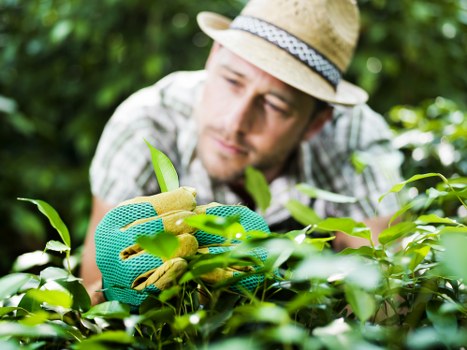 Our teams follow the boroughs' approach to waste separation, which commonly segregates food, green/garden waste, dry recyclables and residual rubbish. We adapt to local requirements and work in harmony with municipal rules on separation and collection so that our hedge disposal aligns with council policies. This reduces contamination rates and improves the value of material sent to transfer stations and composting facilities.
Local Transfer Stations and Responsible Disposal
We use authorised local transfer stations and regional recycling centres to ensure every load is handled responsibly. Typical facilities we partner with include the Belmont Transfer Station and nearby county transfer hubs that accept green waste, wood, and recyclable packaging. Using licensed stations reduces the risk of fly tipping and ensures materials are processed into compost, mulch, or prepared for further recycling streams.
 In practice, green cuttings are prioritised for municipal and commercial composting facilities and chipper-able wood is directed to biomass or mulching operations. Where appropriate, we turn trimmings into woodchips that can be used for sustainable landscaping, public footpaths, and garden mulches, closing the loop locally on garden waste management. Local reprocessing keeps carbon emissions low because materials travel shorter distances for treatment.
We maintain records of tonnages delivered, destination transfer stations, and the resulting diversion rates to track progress toward our recycling goals. Transparency in reporting helps us refine routes, schedule collections efficiently and deliver on our promise of a low-impact hedge trimming service.
Charity Partnerships, Reuse and Community Benefit
We actively partner with local charities, community gardens and reuse organisations to maximise the life of materials removed during works. Fallen branches, intact garden furniture and reusable planters are assessed on-site and when viable are donated to community projects such as the Belmont Community Garden and smaller neighbourhood reuse networks. These partnerships ensure resources are reallocated rather than discarded.
Our sustainable rubbish gardening area initiative includes designated holding bays for materials that can be reused: logs for firewood charities, intact paving slabs for community builders and clean wood for carpentry charities. We also coordinate with social enterprises that collect organic waste for anaerobic digestion and compost schemes, providing social value alongside environmental benefit.
To support this work we have a simple checklist for site crews, including:
- Sort green waste at source into compostable and chip-able streams
- Segregate recyclable packaging and metals for municipal recycling
- Identify reusable items and log them for charity collection
- Record tonnage and destination transfer stations for transparency
Low-Carbon Fleet and Operational Choices
We are transitioning to a low-carbon fleet, deploying electric vans and hybrid vehicles where suitable and testing biofuel blends for our heavier trucks. Our aim is to reduce transport emissions associated with collection and delivery of green waste and supplies. Route optimisation and consolidated collections further minimise mileage and emissions.
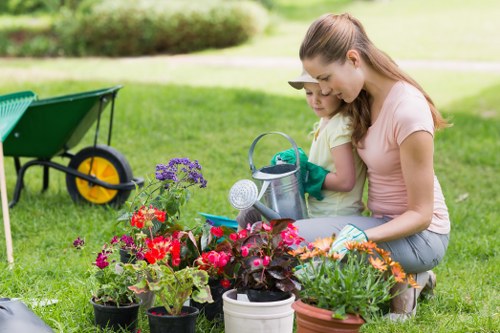 Beyond vehicles, we invest in quieter, battery-powered tools for many trimming tasks, reducing local air and noise pollution. These tools pair well with our low-carbon vans to produce a noticeably lighter environmental footprint for each job. For heavier-duty equipment we prioritise modern, efficient petrol or diesel machines with particulate filters and regular maintenance to limit emissions.
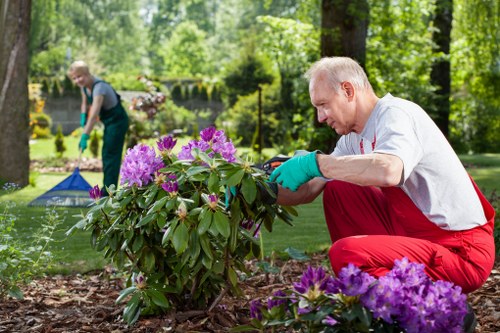 As part of our corporate responsibility we review procurement to prefer local suppliers and recycled products — for instance, mulches made from chipped trimmings and reclaimed timber for boundary works. This support for local circular economy activities helps lock carbon out of the atmosphere and back into beneficial uses.
Hedge Trimming Belmont is committed to measurable, local and practical sustainability. Our recycling targets, transfer station partnerships, charity collaborations and low-carbon vans combine to provide an eco-friendly hedge maintenance option that improves neighbourhood green spaces while conserving resources and reducing waste.