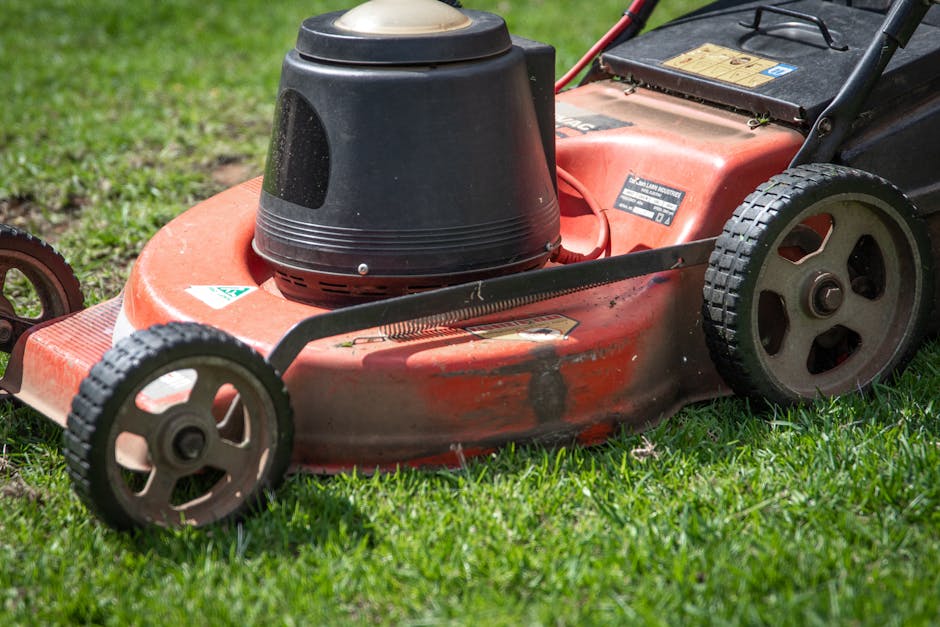
SM2 gardeners weekly lawn care schedules for busy Belmont families
If you're juggling school runs, work calls, and the usual family chaos, lawn care can slip to the bottom of the list fast. That's exactly where SM2 gardeners weekly lawn care schedules for busy Belmont families come in. The idea is simple: keep the garden looking tidy, healthy, and usable without turning weekends into another job. In Belmont, where front gardens, back lawns, and shared outdoor spaces often need a steady hand, a well-planned weekly routine can make all the difference. And honestly, once it's set up properly, it feels a bit like taking a weight off your shoulders.
In this guide, you'll get a clear breakdown of how weekly lawn care scheduling works, what a sensible routine looks like, common mistakes to avoid, and how to choose the right level of support for your home. We'll keep it practical, local, and realistic.
Table of Contents
- Why SM2 gardeners weekly lawn care schedules for busy Belmont families Matters
- How SM2 gardeners weekly lawn care schedules for busy Belmont families Works
- Key Benefits and Practical Advantages
- Who This Is For and When It Makes Sense
- Step-by-Step Guidance
- Expert Tips for Better Results
- Common Mistakes to Avoid
- Tools, Resources and Recommendations
- Law, Compliance, Standards, or Best Practice
- Options, Methods, or Comparison Table
- Case Study or Real-World Example
- Practical Checklist
- Conclusion
- Frequently Asked Questions
Why SM2 gardeners weekly lawn care schedules for busy Belmont families Matters
A lawn doesn't usually fail all at once. It slips. One week the edges go shaggy, then the grass gets too long, then the mower can't quite cope after rain, and before you know it the garden looks tired. For busy families, that creeping decline is the real problem. A weekly schedule stops the slide.
Belmont gardens often have a mix of practical needs: a patch for children to play on, a neat front lawn for kerb appeal, maybe a narrow side strip that catches shade and damp. Weekly care keeps all of that manageable. It also means problems are noticed early. Thin patches, moss, weeds, drainage issues, uneven growth - these are far easier to deal with when someone is looking every week rather than once in a blue moon.
There's also the time factor. Most families don't need a perfect show garden. They need a lawn that looks good enough for everyday life, can handle foot traffic, and doesn't become a Saturday morning burden. To be fair, that's a very reasonable ask.
Expert summary: weekly lawn care is less about obsession and more about control. Small, regular interventions usually beat big, stressful catch-up jobs.
For households that already use garden maintenance support, a weekly lawn plan fits neatly into the wider rhythm of keeping outdoor spaces orderly without overthinking every blade of grass.
How SM2 gardeners weekly lawn care schedules for busy Belmont families Works
A useful weekly lawn care schedule is not a rigid checklist for the sake of it. It's a repeatable system. The aim is to break outdoor work into smaller tasks that fit around family life and the local growing conditions in Belmont. One week may involve mowing and edging; another may focus on feeding, spot-weeding, or checking the soil after a wet spell.
In practice, a good schedule usually includes:
- Mowing at the right height for the season
- Edging along paths, borders, and driveways
- Weed checks before small problems spread
- Raking or light debris removal after leaf drop or windy weather
- Quick condition checks for pests, bare patches, or compacted areas
Weekly visits are especially helpful in growing season, when grass can surge after mild rain and longer daylight hours. You may notice how quickly a lawn changes after just a few warm days. One moment it's fine, the next it's looking a bit shaggy and uneven, especially around edges. That's where a routine saves the day.
A reliable schedule also builds in flexibility. Rainy week? The mowing height may need adjusting. School holidays? Outdoor use may increase, so the lawn needs to be a touch more resilient. Good lawn care is responsive, not mechanical. That's the bit people often miss.
Key Benefits and Practical Advantages
The main benefit is obvious: a tidy lawn. But the real value goes deeper than appearances.
- Less stress: small tasks are easier to manage than a long list of neglected jobs.
- Better lawn health: regular mowing and monitoring helps prevent that overgrown, patchy look.
- Improved safety and usability: children and pets can use the garden more comfortably when it's properly maintained.
- Stronger kerb appeal: front lawns and verge-facing gardens look cared for, which matters in a neat residential street.
- Earlier problem detection: disease, moss, weeds, and drainage issues are easier to spot.
- More predictable costs and planning: weekly schedules are easier to budget and organise than occasional rescue jobs.
There's a quieter benefit too: the garden starts to feel usable again. Not "someday we should sort it out," but actually usable. A place for a child's football, a cup of tea, or ten minutes in the fresh air after dinner. Small thing, maybe. But it matters.
Families who want the whole garden kept in order often pair lawn care with hedge trimming or broader landscaping support, especially where overgrown borders are stealing light from the grass.
Who This Is For and When It Makes Sense
This kind of weekly schedule makes most sense for families who want a neat lawn but don't have the time, tools, or energy to keep on top of it every single week themselves. That's most busy households, really.
It's a strong fit if you:
- work long hours or irregular shifts
- have young children or pets using the garden often
- struggle to mow regularly during spring and summer
- want consistent curb appeal without weekend catch-up
- rent out a property and need the outside kept tidy
- prefer a dependable routine rather than one-off rescue work
It may be less necessary if your lawn is tiny, rarely used, or naturally low-maintenance. Even then, a basic weekly check can still help you stay ahead of weeds and seasonal growth. Truth be told, many small lawns still need more attention than people expect.
If your garden also includes trees, heavy shade, or areas that hold moisture, a weekly plan is even more useful. In those cases, lawn care is not just about cutting grass; it's about balancing light, airflow, and growth patterns across the space.
Step-by-Step Guidance
Here's a practical way to build a weekly lawn care routine that actually works for busy families. Keep it simple. The more complicated it gets, the less likely it is to stick.
1. Start with a quick lawn assessment
Walk the garden and look for obvious issues: overgrowth, uneven areas, weeds, moss, bare patches, or compacted sections near play areas. Don't overanalyse it. You're just gathering the basics.
2. Set the weekly priority
For some lawns, mowing is the main job. For others, edging or weed control may be more urgent. Pick the one thing that most improves the garden each week and build around that.
3. Choose a sensible mowing height
Cutting too short can stress grass, especially during dry spells or after heavy use. A moderate height usually gives a better balance of appearance and resilience. If the lawn has been left too long, reduce it gradually rather than scalping it in one go.
4. Tidy the edges
Edges make a bigger visual difference than most people realise. A neat line along a path or border can make the whole garden look smarter, even if nothing else changed. Strange but true.
5. Remove clippings or debris where needed
Light clippings can sometimes be left in place if they're fine and not clumping. But after a bigger cut, wet weather, or a heavy leaf fall, it's better to clear them away so the grass can breathe.
6. Check for issues while you're there
Spot weeds early. Look for signs of disease, patchiness, or areas that stay soggy after rain. A quick glance each week is enough to catch a lot before it becomes expensive or awkward.
7. Review the schedule monthly
As the season changes, the lawn changes with it. Spring growth, summer dryness, autumn leaf drop, and winter slowdown all call for small adjustments. Don't be afraid to tweak the routine. That's normal.
If you're looking for regular support rather than a one-off visit, a structured approach tied into lawn mowing can keep the schedule consistent without turning it into another family chore.
Expert Tips for Better Results
There are a few habits that make a weekly lawn schedule noticeably more effective. None of them are flashy, but they work.
- Mow when the grass is dry if possible. Wet grass clumps, tears more easily, and leaves a mess behind.
- Keep blades sharp. A clean cut is kinder to the lawn. Dull blades bruise the grass and leave ragged edges.
- Vary the routine with the season. In growth periods, the lawn may need more attention; in cooler months, less.
- Don't ignore shade. Shady areas often need a gentler approach and may benefit from extra observation.
- Let the lawn rest when it's saturated. Walking over waterlogged ground can compact the soil and damage growth.
- Treat weeds early. A single weed is a quick job. A spread-out patch is a nuisance.
One practical tip that families appreciate: schedule garden work at the same time each week if you're doing it yourself. A Tuesday evening or Saturday morning slot is easier to maintain than a vague "we'll get to it soon" promise. You know how that goes.
Also, if the lawn sits under mature trees, consider whether light levels are part of the problem. A lawn that never quite thrives may not need more mowing - it may need more light, better airflow, or a different layout altogether. That's where careful observation beats guesswork.
Common Mistakes to Avoid
Even a decent schedule can go wrong if a few common errors creep in. These are the ones we see most often.
- Cutting too much at once: taking off too much grass in one pass can shock the lawn.
- Leaving mowing too long: once the lawn becomes overgrown, the job gets harder and messier.
- Ignoring edging: the grass may be short, but if the edges are wild, the whole lawn still looks untidy.
- Working around problems instead of fixing them: a patch of moss or drainage issue won't sort itself out.
- Using a one-size-fits-all routine: sunny, shady, wet, and heavily used lawns all behave differently.
- Forgetting seasonal changes: summer schedules and autumn schedules should not be identical. They really shouldn't.
A quieter mistake is expecting perfection every week. Life happens. A family birthday, a wet spell, a work deadline, a holiday - all of it throws the rhythm off now and then. The goal is consistency, not perfection.
Tools, Resources and Recommendations
Busy families usually get the best results from a simple setup rather than a garage full of gear. The essentials are enough for most jobs.
- A reliable mower suited to the size of the lawn
- Edging tools for borders and path lines
- Gloves and basic protective kit for tidying work
- A leaf rake or lawn rake for seasonal clean-ups
- A watering can or hose if dry patches need attention
- A notebook or phone reminder for scheduling and seasonal notes
For families who prefer to hand the job over, it's worth checking whether a provider offers wider support across the garden, not just mowing. A weekly plan often works better when it's part of a broader services overview that includes maintenance, trimming, and seasonal tidying.
You may also want to think about sustainability. Grass clippings, green waste, and tidy disposal all matter in the bigger picture. A considered approach to recycling and sustainability helps keep the routine sensible and less wasteful.
Law, Compliance, Standards, or Best Practice
For most domestic lawn care in Belmont, there is no complicated legal framework to worry about day to day. Still, there are sensible standards and good practices worth following, especially if work is being carried out regularly or by a professional.
At a minimum, any gardener or contractor should work safely, use equipment responsibly, and respect neighbouring properties. If machinery is being used, noise, timing, and safe handling all matter. For households in close residential streets, being considerate about early starts and late finishes is just good manners as much as anything else.
If you're hiring someone, it is reasonable to ask about insurance, safe working practices, and how they handle equipment around children, pets, and fragile garden features. Many families also like to know how green waste is managed and whether the contractor follows a clear safety policy. That's not fussiness. That's sensible due diligence.
It can also help to review a provider's insurance and safety approach and their published health and safety policy if you want more confidence in how the work is carried out.
Practical note: if there are shared access routes, awkward slopes, or children playing nearby, a careful working method matters more than speed. Always does.
Options, Methods, or Comparison Table
There are a few ways to handle lawn care, and the best one depends on your time, budget, and how much you want done each week. Here's a simple comparison to make the decision easier.
| Approach | Best for | Pros | Trade-offs |
|---|---|---|---|
| DIY weekly routine | Families with spare time and basic tools | Lower direct cost, flexible timing, full control | Easy to miss weeks, more effort, equipment upkeep |
| Occasional maintenance visit | Smaller gardens or low-growth seasons | Helpful reset, less commitment | Can become uneven between visits |
| Regular weekly gardener | Busy households wanting consistency | Reliable results, better lawn health, less stress | Ongoing cost, needs trust and clear expectations |
| Full garden maintenance package | Homes with larger or mixed outdoor spaces | Good for lawns, hedges, borders, and seasonal jobs | May include more services than some families need |
If you're unsure where to start, a weekly lawn routine is often the easiest entry point. It gives structure without demanding a complete garden overhaul. From there, you can add other tasks only where needed. No drama.
Case Study or Real-World Example
Picture a typical Belmont family: two working parents, school-age children, a dog that thinks the lawn is part runway, and a back garden that sees a lot of use from March to October. The grass starts the season looking fine, then a few rainy weeks and busy weekends make it uneven. The edges go first. Then the weeds appear near the fence. Then the children stop using the garden because it feels messy.
They decide to put a weekly schedule in place. One visit covers mowing and edging. Another includes a quick weed check and a tidy around the borders. During wetter spells, the mowing height is left a little higher. In late autumn, leaf build-up gets cleared before it smothers the grass. Nothing fancy. Just steady, sensible attention.
Within a few weeks, the garden feels easier to use again. The dog still charges around like a lunatic, naturally, but the lawn copes better because it's not already stressed. The family doesn't have to spend half a Saturday catching up. That's the real win.
In our experience, this kind of simple routine is usually what busy households need most: not a perfect lawn, just one that stays presentable, resilient, and ready for normal life.
Practical Checklist
Use this quick checklist to keep your weekly lawn care routine on track.
- Check the lawn once a week for overgrowth, weeds, or patchiness
- Mow at a sensible height for the season
- Trim the edges for a cleaner finish
- Clear clippings or debris if they're building up
- Look for wet, shaded, or compacted areas that may need attention
- Adjust the schedule after heavy rain or hot spells
- Review whether the lawn needs feeding, aeration, or repair work
- Keep children and pets away from active equipment
- Store tools safely and keep blades maintained
- Reassess the routine every month or so
If you only do three things each week, make them mowing, edging, and a quick visual check. That alone will keep most lawns in decent shape. Simple, but effective.
Conclusion
For busy Belmont families, the best lawn care plan is the one that actually gets done. That's why weekly routines work so well. They keep the garden manageable, reduce stress, and stop small issues from growing into bigger ones. Whether you handle the work yourself or bring in professional help, the goal is the same: a lawn that fits your life instead of taking it over.
SM2 gardeners weekly lawn care schedules for busy Belmont families are really about rhythm, not perfection. A little attention each week keeps the space looking cared for and makes family life just a bit easier. And in a busy household, that counts for a lot.
Get a free quote today and see how much you can save.
Frequently Asked Questions
How often should a family lawn in Belmont be cut?
Most family lawns do best with a weekly check during active growing periods, especially in spring and early summer. In slower months, the schedule can often be relaxed a little. The right timing depends on growth, weather, and how much the lawn is used.
What does a weekly lawn care schedule usually include?
A good weekly routine usually includes mowing, edging, a quick weed check, and a look for any patchiness or drainage issues. Some weeks may also include leaf clearing or minor tidying around borders and paths.
Is weekly lawn care worth it for a small garden?
Yes, often it is. Small gardens can look untidy very quickly, and minor issues are easier to spot and fix when someone checks them regularly. Even a short weekly visit can make a big difference.
Can I handle the lawn myself and still keep it in good shape?
Absolutely, if you have the time and basic equipment. The challenge for many busy families is consistency, not skill. A simple routine is often enough to keep things under control.
What's the best mowing height for a busy family lawn?
There isn't one perfect height for every lawn, but cutting too short is usually a bad idea. A moderate height tends to support healthier grass and better resilience, especially where children or pets use the garden often.
How do I know if my lawn needs more than mowing?
If you see persistent bare patches, moss, weeds, waterlogging, or thinning growth, the lawn may need more than a basic cut. In that case, aeration, feeding, light renovation, or better drainage may be part of the answer.
Are weekly visits better than occasional deep cleans?
For most busy households, yes. Weekly care is usually easier to manage and keeps the lawn in better condition overall. Occasional rescue jobs can work, but they often cost more effort later because the garden has had time to drift.
What should I ask before hiring a gardener for lawn care?
Ask what is included each week, how they handle weather delays, whether they're insured, and how they approach safety around children, pets, and equipment. It also helps to ask how they handle waste and whether they offer broader garden maintenance.
Does lawn care change in winter?
Yes, it usually does. Growth slows down, so mowing becomes less frequent or may pause depending on conditions. The focus often shifts to tidying, drainage awareness, and keeping the lawn from becoming compacted or neglected.
Can weekly lawn care improve kerb appeal quickly?
Very often, yes. A neat mow, clean edges, and a tidy front lawn make a home look cared for almost immediately. It's one of the quickest ways to make a visible difference without major landscaping work.
What if I want help with the whole garden, not just the lawn?
That's a very common situation. Many families start with the lawn and then realise the hedges, borders, and pathways need attention too. A broader service can be more efficient if you want the whole outdoor space kept under control.
Sometimes the easiest garden is simply the one that gets looked after before it starts shouting for attention. A little weekly care goes a long way.